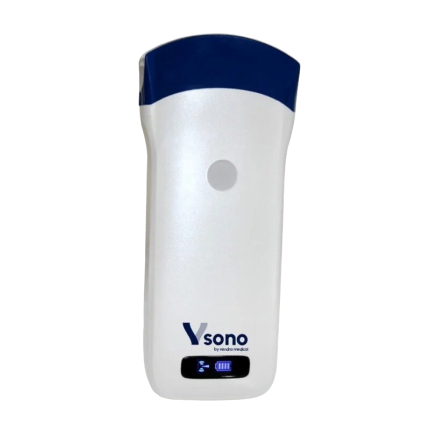
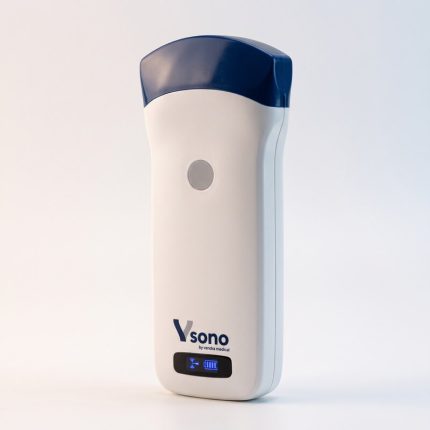
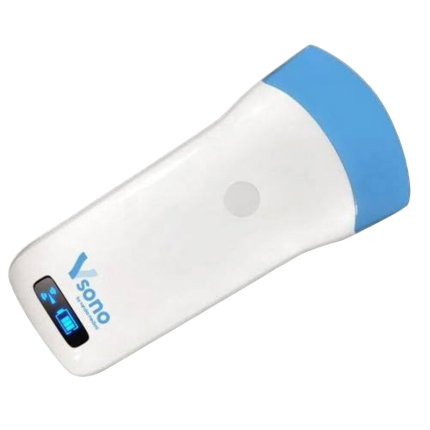
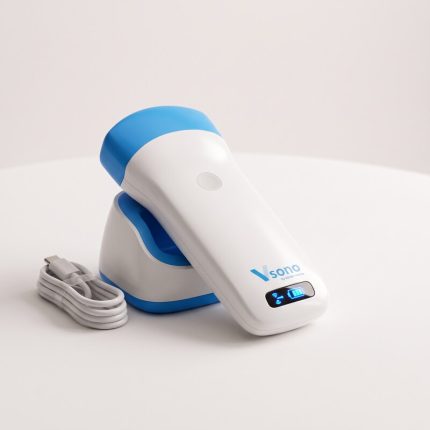
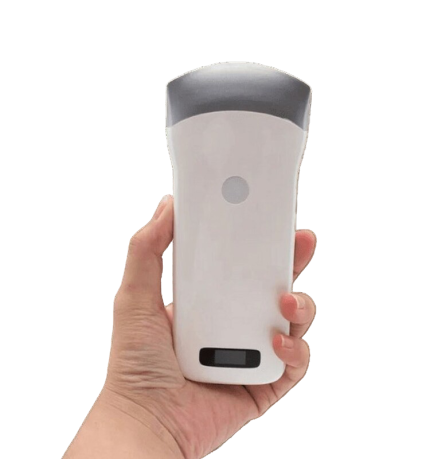
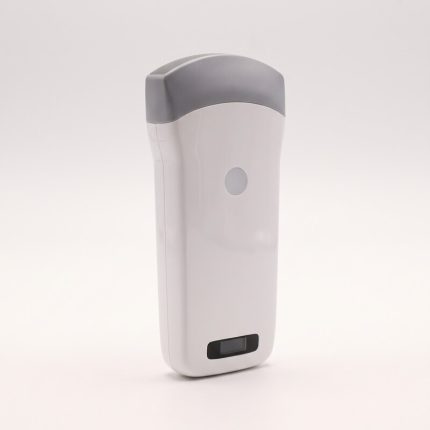
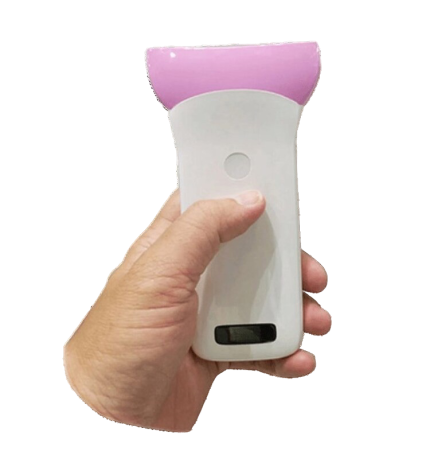
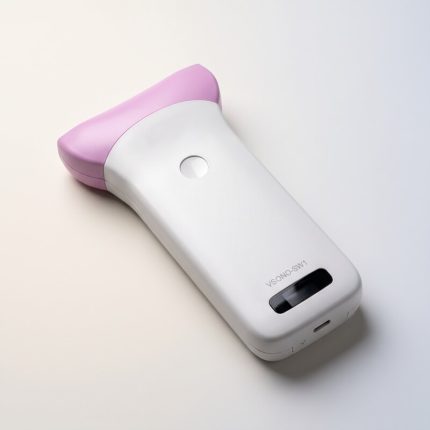
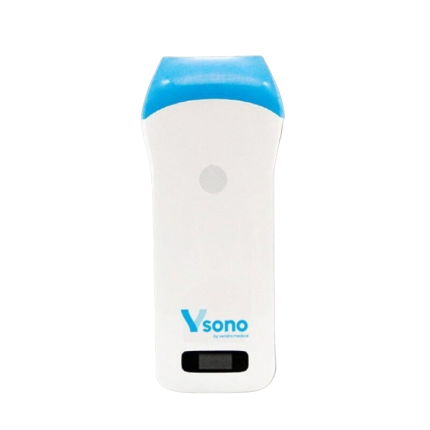
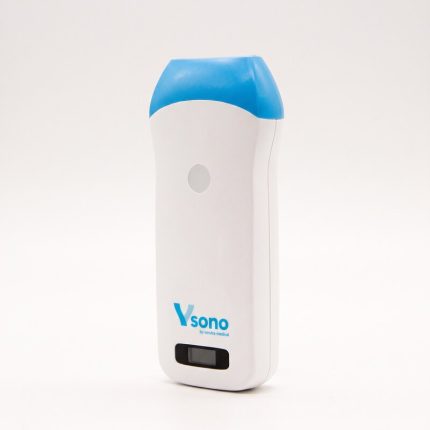
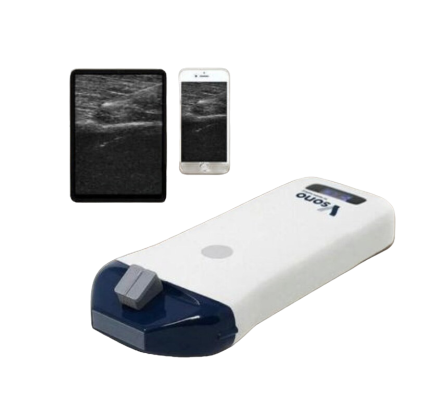
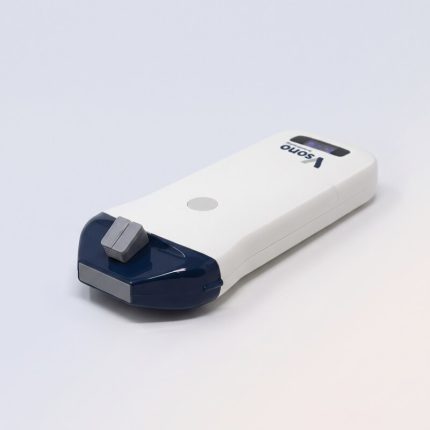
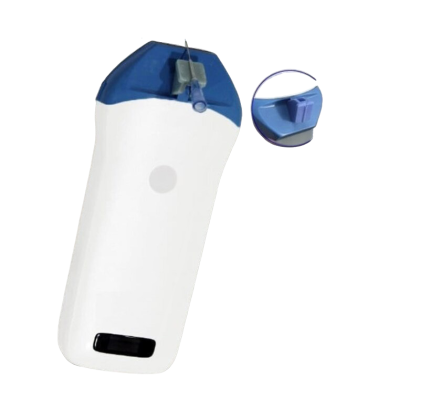
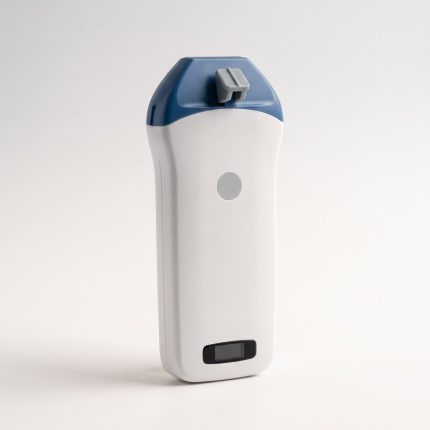
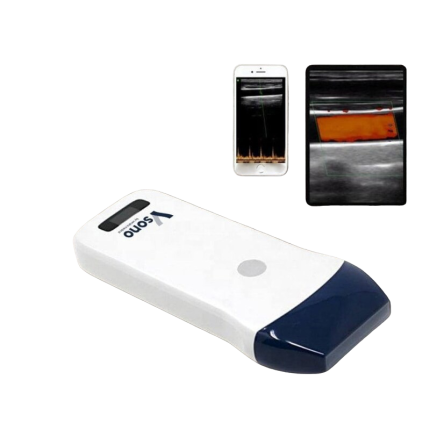
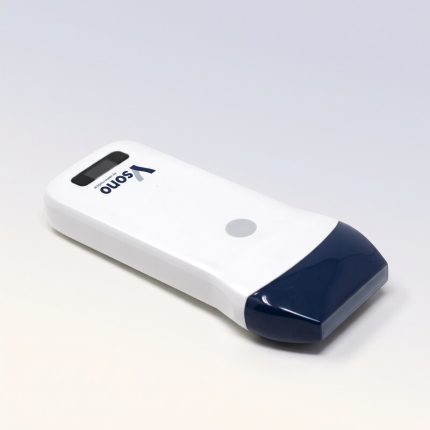
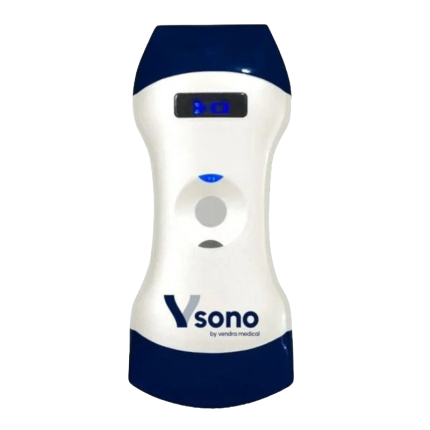
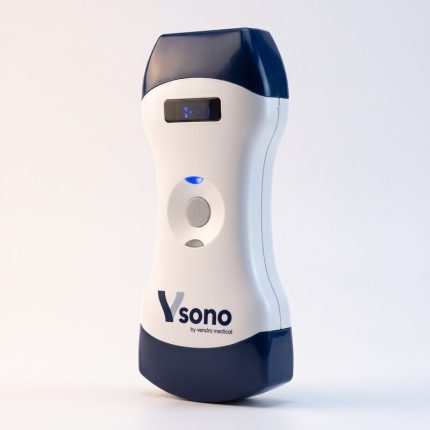
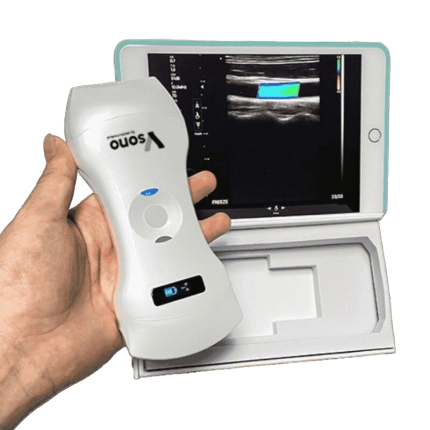
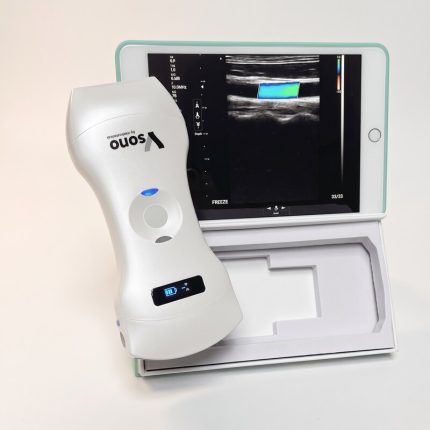
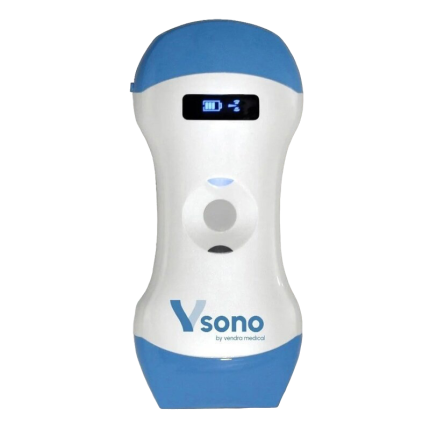
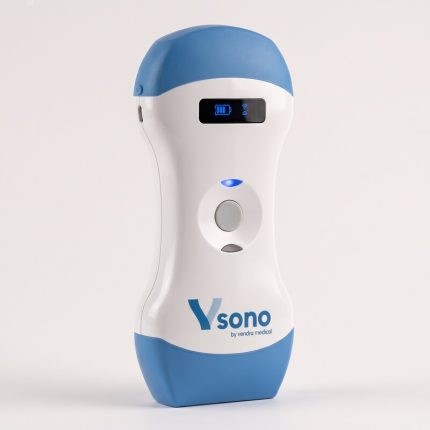
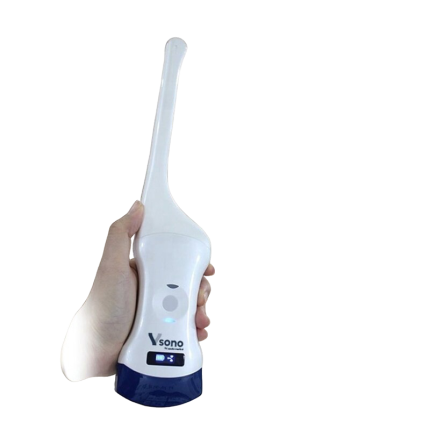
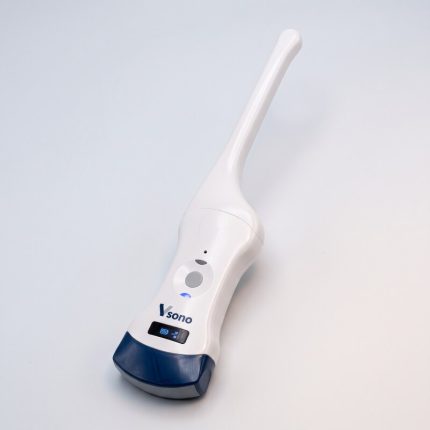
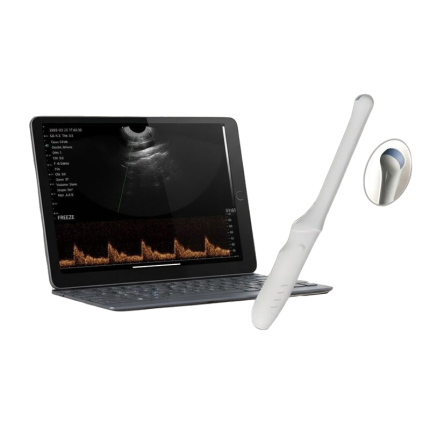
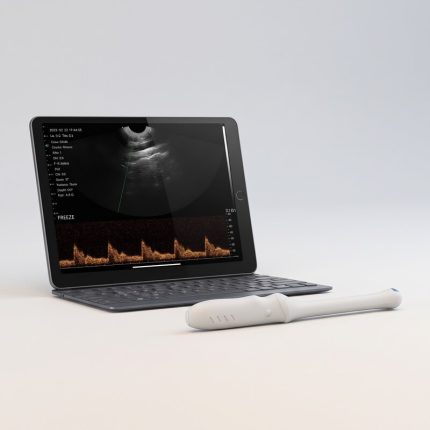
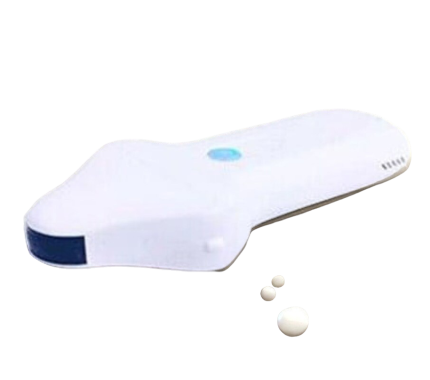
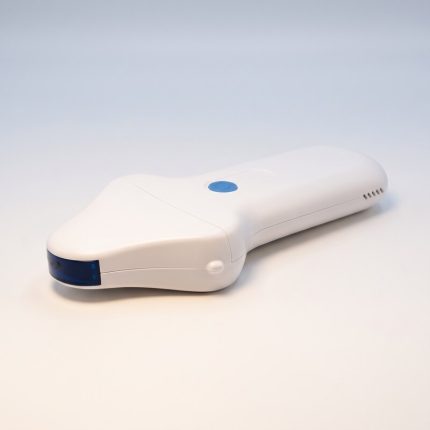
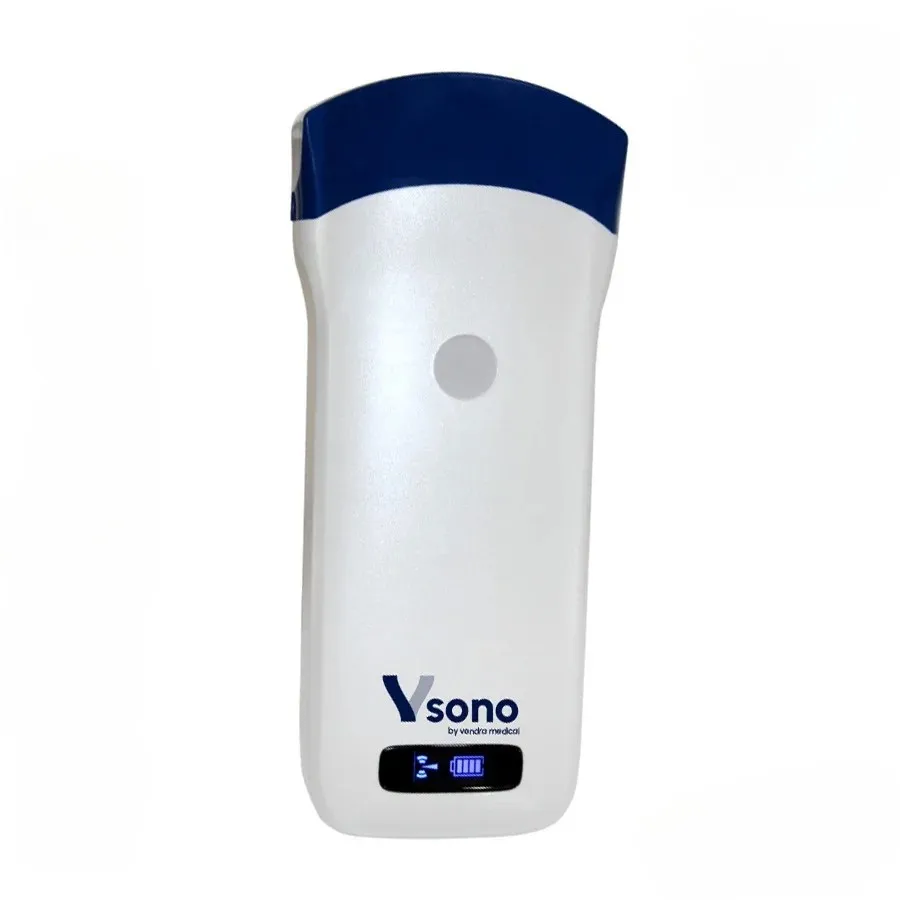
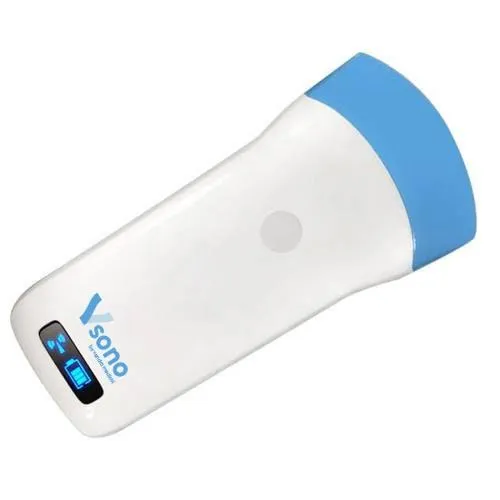
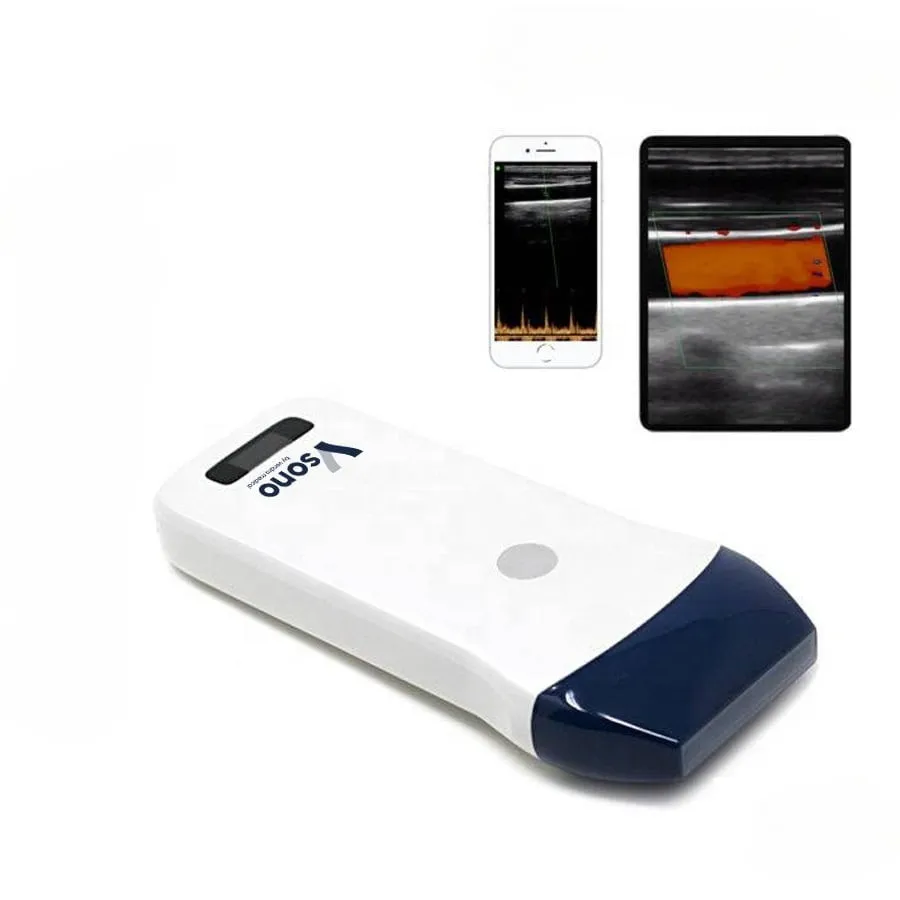
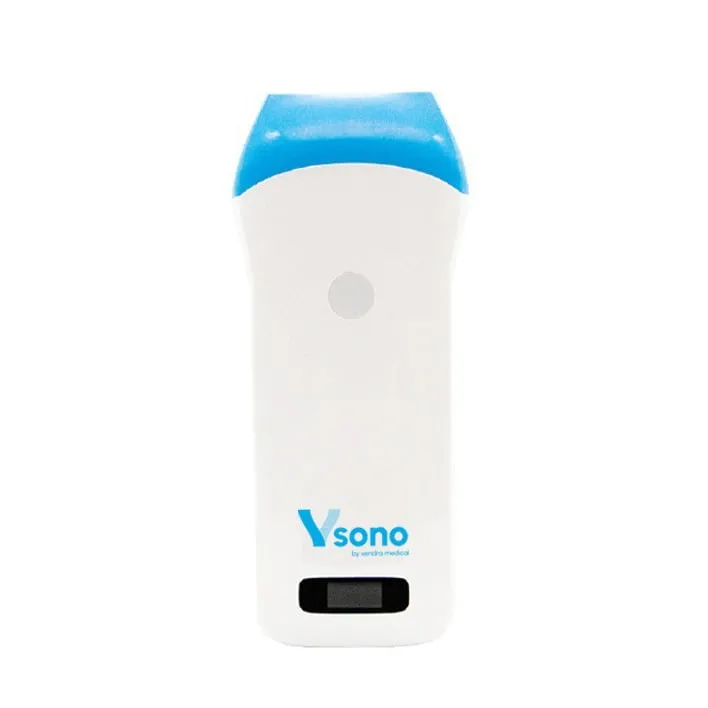
Shortlist a portable ultrasound scanner by the probe type you need, the imaging modes required in your workflow and the depth of examination. Use the comparisons below to review model-specific differences, then open each product page for complete specifications.
Compare combined configurations when one scanner needs to cover several examination types. Check for phased-array support when cardiac imaging is required.
These models combine more than one probe in a single portable scanner. The main difference is whether you need a cardiac phased-array probe as well as convex and linear imaging.
128 elements; 270 g; 18 fps; up to 3 hours; iOS, Android, Windows
Abdominal and superficial imaging without a phased-array cardiac probe
How to choose: Start with the CL4 if you need all three probe types and its 192-element configuration. Consider the CL1 for a three-probe configuration with 128 elements. Choose the CL3 if convex and linear imaging cover your work and you do not need a phased-array probe. Check each product page for the complete frequency, depth and measurement specifications.
2. Convex scanners: abdominal and deeper examinations
Convex probes are commonly selected for abdominal and obstetric examinations because their lower-frequency design and curved field of view support deeper scanning. These three models are not identical: the C1 and C2 are B-mode options, while the C5 adds Doppler imaging.
Convex scanning when blood-flow Doppler modes are required
How to choose: Compare the C1 and C2 for B-mode work, paying attention to the published element count and depth range. Choose the C5 when Color Doppler and PW/Power Doppler are important. Confirm the depth required for your examinations against the detailed product specifications.
3. Linear scanners: vascular, MSK and superficial imaging
Linear probes are designed for relatively shallow structures such as vessels, tendons, nerves, thyroid and other small parts. The key difference between these two models is Doppler capability.
Portable superficial imaging where B-mode is sufficient
How to choose: Select the L1 if Color Doppler, PDI or PW are part of your workflow. The L2 is a lighter B-mode option for superficial examinations. If you need a dedicated aesthetic-frequency scanner, compare the models below instead.
4. High-frequency scanners for aesthetics and dermatology
These models target superficial facial and skin structures. Higher frequency supports finer near-field detail but is intended for shallower imaging than general abdominal probes.
Very superficial facial imaging with an especially lightweight design
All three product descriptions list B-mode and Doppler capabilities. Compare the precise probe footprint, imaging modes, connection options and intended procedure depth on each product page before choosing.
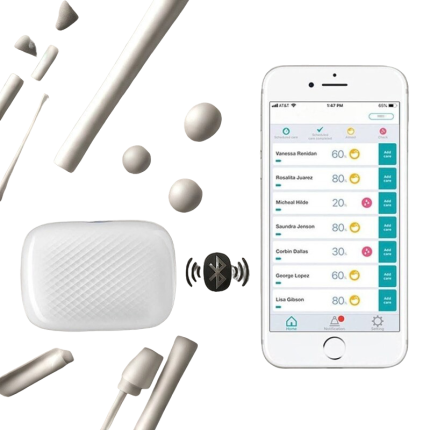
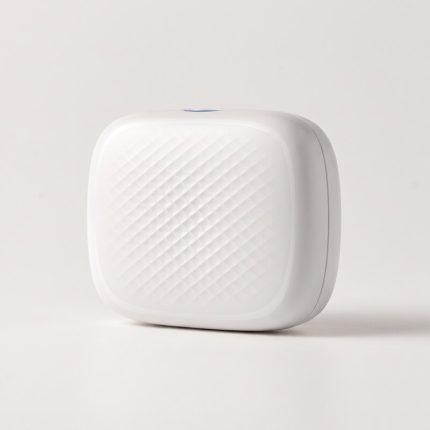
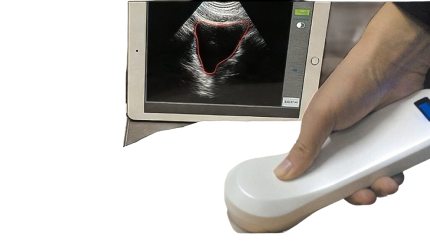
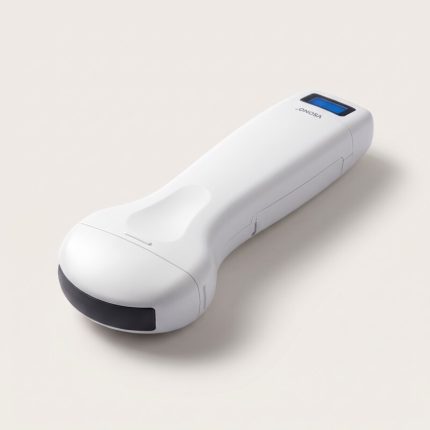
5. Bladder scanners: 4D assessment or wearable monitoring?
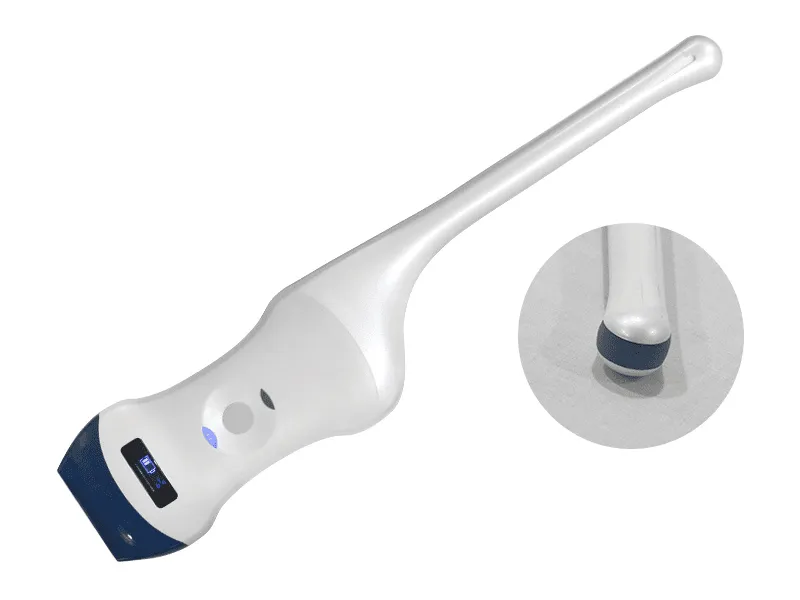
Vsono-TVU3: combines a linear L40 and transvaginal R13 probe. Consider it for gynecology, obstetrics, fertility and related examinations where both probe types are useful.
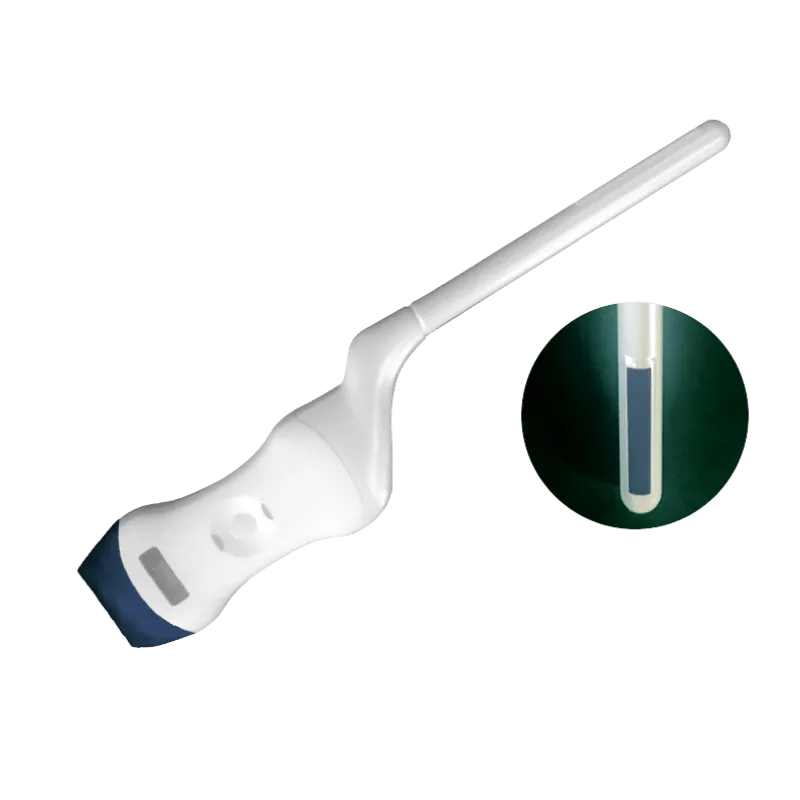
Vsono-TRU1: combines linear and transrectal probes, with B, B/M, Color, PDI and PW modes plus puncture-assistance features. Consider it for urology, reproductive health and veterinary applications.
Quick decision guide
Need cardiac + abdominal + superficial imaging? Compare CL4 and CL1.
Need convex + linear but not phased array? Compare CL3.
Need convex imaging with Doppler? Compare C5.
Need linear imaging with Doppler? Compare L1.
Need very high-frequency facial imaging? Compare ML3, C10MB PRO and C10MR PRO.
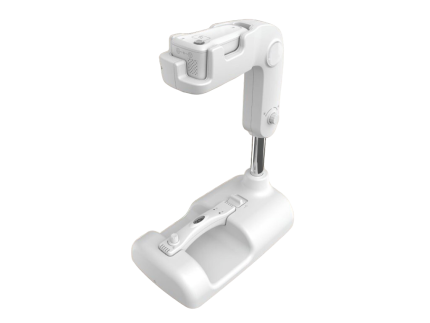
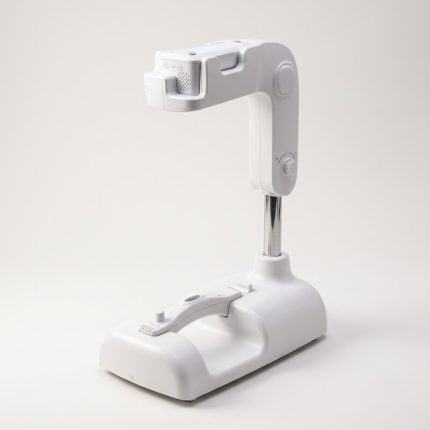
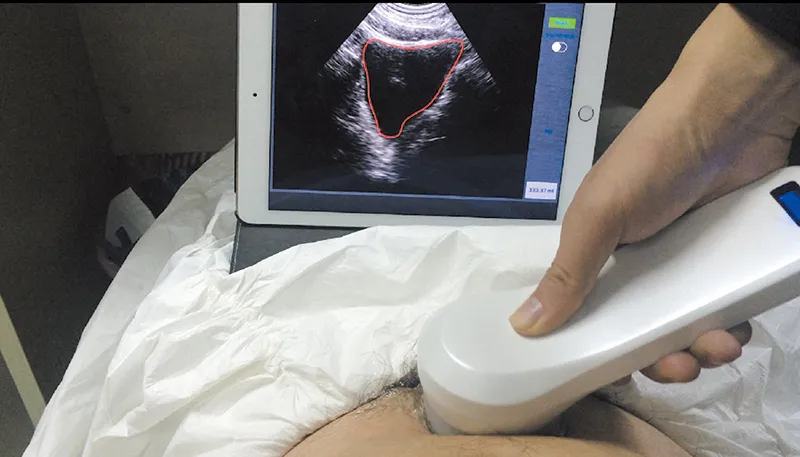
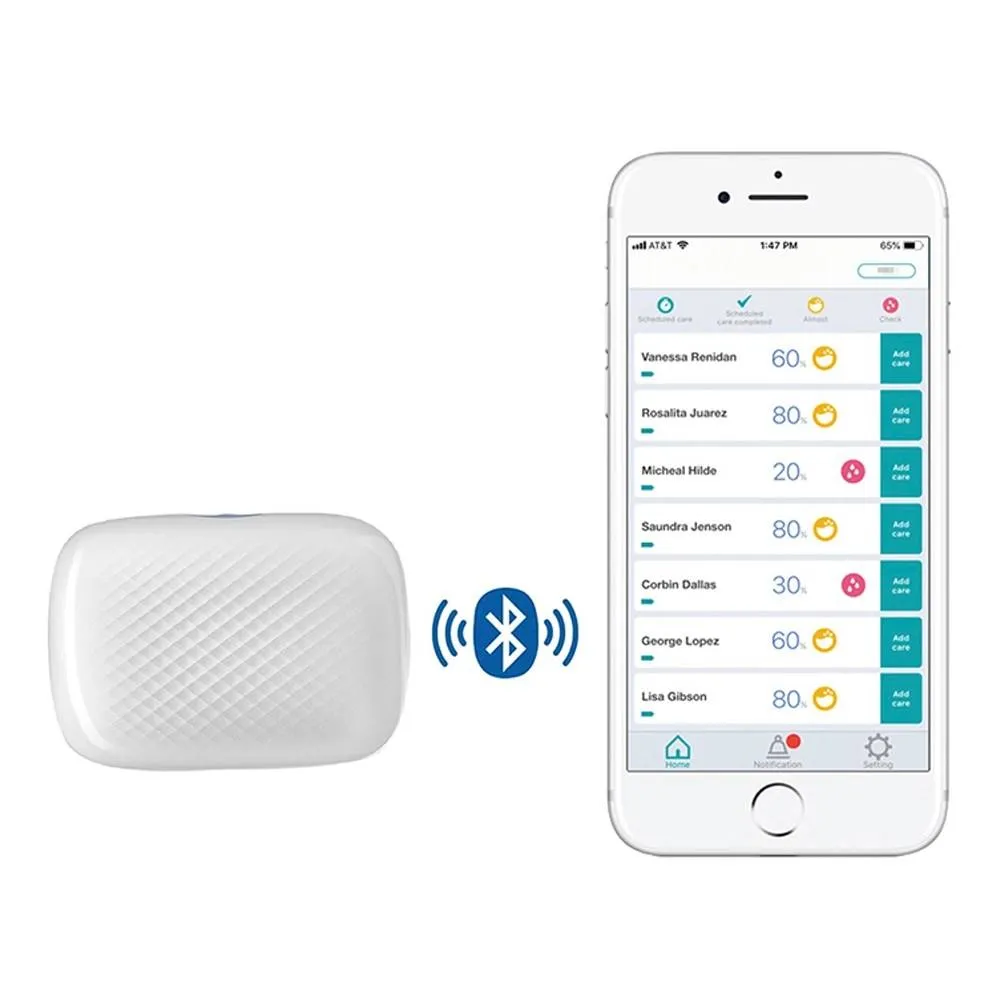
Need bladder volume measurements on iPad? Compare BL1. Need wearable monitoring alerts? Review B1.
Need transvaginal or transrectal scanning? Review TVU3 or TRU1 respectively.
Not sure which probe fits your work?
Share your specialty and examination needs with the Vendra team before choosing.
Tell our team your specialty, the examinations you perform, whether you need Doppler, and which phone, tablet or computer you plan to use. We can help narrow the shortlist and confirm compatibility before you order.
Every scanner has its own detailed specifications. Use the linked product page to review the full probe frequencies, scan depths, modes, compatibility and accessories. Published specifications are product-specific; do not assume that a feature listed for one model is included with another.